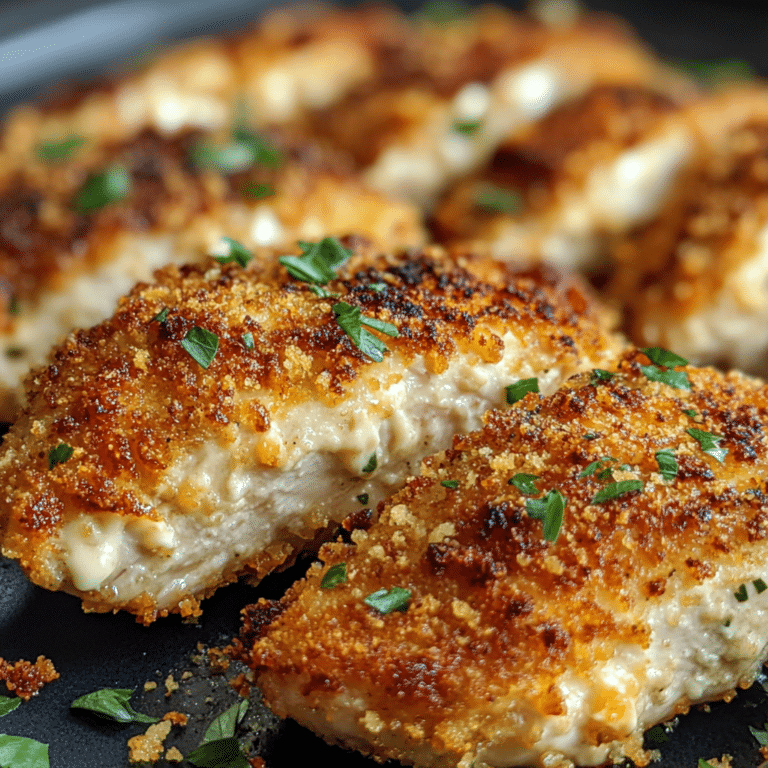
wide Shot Side view

If you’ve ever wanted to capture breathtaking images that tell a story, exploring the wide Shot Side view is a game changer. This technique offers a fresh perspective, blending expansive backgrounds with intriguing side angles that elevate your photography to a whole new level. Whether you’re snapping portraits, landscapes, or dynamic action shots, the wide Shot Side view helps you create stunning visuals that captivate and engage. In this post, we’ll explore creative wide Shot Side view techniques to inspire your next photographic adventure and boost your skills in ways you’ll love.
Why You’ll Love This Recipe
- Fresh Perspective: Experience a unique viewpoint that makes ordinary scenes look extraordinary.
- Storytelling Power: Show context and action simultaneously to tell a richer story through your images.
- Versatile Application: Works beautifully for portraits, landscapes, street photography, and more.
- Easy to Experiment With: Simple adjustments lead to dramatically different and compelling shots.
- Improved Composition: Enhances framing by drawing the viewer’s eye along the subject’s profile and surroundings.
Ingredients You’ll Need
Mastering the wide Shot Side view doesn’t demand fancy gear; just a few essential ingredients help you create powerful shots. Each element brings balance, depth, and clarity to your images.
- Camera: A DSLR, mirrorless, or high-quality smartphone camera capable of manual settings for control over exposure and focus.
- Wide-Angle Lens: Essential for capturing expansive backgrounds while keeping your subject sharp in the side view.
- Tripod: Provides steadiness to perfect your composition and avoid blur, especially in low light.
- Natural Lighting: Soft, directional light helps highlight the subject’s contours and creates dynamic shadows.
- Subject or Scene: A person, object, or landscape with interesting profiles and textures suitable for side angle exploration.
Variations for wide Shot Side view
Personalizing your wide Shot Side view is totally fun and straightforward. Modify these variations to suit your style, subject, or environment and watch your creativity soar.
- Urban Exploration: Use side views of people walking alongside cityscapes for vibrant storytelling.
- Golden Hour Glow: Capture side-lit scenes during sunrise or sunset to enhance warmth and drama.
- Movement Blur: Combine slow shutter speeds with side views to add a dynamic sense of motion.
- Black and White: Convert side view photos to monochrome for timeless, contrast-rich imagery.
- Wildlife Candid: Snap side profiles of animals in their habitat for natural, captivating portraiture.

How to Make wide Shot Side view
Step 1: Choose Your Subject and Location
Begin by selecting a subject with a distinct profile or an environment that offers visual interest from a side angle. Look for scenes where the background complements rather than distracts.
Step 2: Set Your Camera and Lens
Attach your wide-angle lens and adjust your camera to a moderate aperture (f/5.6 to f/8) for balanced depth of field. Set ISO and shutter speed according to lighting conditions.
Step 3: Position Yourself for the Side View
Move to align your camera at the perfect side angle, framing your subject from head to toe or edge to edge in landscapes. Aim to include leading lines or natural frames in the composition.
Step 4: Focus and Meter Properly
Manually focus on the subject’s profile or the main focal point in the scene. Use spot metering to expose the key elements correctly, ensuring highlights and shadows are well balanced.
Step 5: Capture Multiple Shots
Take several shots experimenting with variations in angle, distance, and exposure settings to find the most compelling wide Shot Side view outcome.
Pro Tips for Making wide Shot Side view
- Use Leading Lines: Incorporate natural lines like roads or fences running alongside the subject to guide the viewer’s eye through the frame.
- Mind the Background: Keep backgrounds uncluttered or complementary to avoid distracting from the side profile.
- Shoot During Golden Hours: Light is softer and shadows longer, enhancing the depth and texture in side shots.
- Experiment with Angles: Slightly tweak your side view angle to discover the most flattering or dramatic perspective.
- Focus on Detail: Zoom in occasionally to capture close-up side profiles filled with texture and emotion.
- Use Reflections: Incorporate mirrors, glass, or water bodies to add artistic layers to your side-view compositions.
How to Serve wide Shot Side view
Garnishes
Add interest by including natural elements like flowers, leaves, or textured fabrics in the foreground, enhancing the sense of depth and visual appeal.
Side Dishes
Pair your wide Shot Side view images with complementary compositions such as close-ups or frontal shots to present a complete storytelling set.
Creative Ways to Present
Showcase your wide Shot Side view photos in panoramic collages or as side-by-side comparisons to highlight different moments or angles creatively.
Make Ahead and Storage
Storing Leftovers
Plan ahead by saving your RAW or high-resolution files securely to allow for later edits that can enhance or alter the side view’s mood and style.
Freezing
For digital photography, archiving your images in organized folders or cloud storage “freezes” your work safely for revision anytime.
Reheating
Revisit and re-edit your wide Shot Side view photos using updated editing software to “reheat” old shots with new techniques or styles, keeping your portfolio fresh.
FAQs
What is the advantage of using a wide Shot Side view?
The wide Shot Side view allows you to incorporate expansive environments while emphasizing the subject’s profile, creating dynamic storytelling images.
Can I use a smartphone to shoot wide Shot Side view photos?
Absolutely! Modern smartphones equipped with wide-angle lenses and manual settings can effectively capture stunning wide Shot Side views.
What lighting works best for wide Shot Side view photography?
Soft, directional natural light during golden hours offers the best lighting to emphasize contours and add depth in wide Shot Side view shots.
How do I compose a balanced wide Shot Side view?
Use techniques like the rule of thirds, leading lines, and ensuring an uncluttered background to compose harmonious and engaging side view shots.
Is post-processing necessary for wide Shot Side view images?
While not mandatory, thoughtful editing can enhance color, contrast, and details, making your wide Shot Side view images even more striking.
Final Thoughts
Diving into the world of wide Shot Side view photography opens up endless opportunities to transform your visual storytelling. With simple tools and these creative techniques, you’re well on your way to crafting mesmerizing images that stand out. So grab your camera, experiment with angles, and most importantly, have fun exploring the stunning possibilities of the wide Shot Side view.
Related Posts
Print
wide Shot Side view
- Prep Time: 10 minutes
- Cook Time: Variable depending on conditions
- Total Time: Variable depending on shooting and editing duration
- Yield: Multiple compelling wide Shot Side view images
- Category: Photography Technique
- Method: Manual Camera Settings and Composition
Description
Discover the creative wide Shot Side view photography technique that provides a fresh perspective by blending expansive backgrounds with intriguing side angles. Ideal for portraits, landscapes, and dynamic shots, this approach enhances storytelling, composition, and visual impact in your images.
Ingredients
Essential Gear
- Camera: A DSLR, mirrorless, or high-quality smartphone camera capable of manual settings for control over exposure and focus.
- Wide-Angle Lens: Essential for capturing expansive backgrounds while keeping your subject sharp in the side view.
- Tripod: Provides steadiness to perfect your composition and avoid blur, especially in low light.
- Natural Lighting: Soft, directional light helps highlight the subject’s contours and creates dynamic shadows.
- Subject or Scene: A person, object, or landscape with interesting profiles and textures suitable for side angle exploration.
Instructions
- Choose Your Subject and Location: Begin by selecting a subject with a distinct profile or an environment that offers visual interest from a side angle. Look for scenes where the background complements rather than distracts.
- Set Your Camera and Lens: Attach your wide-angle lens and adjust your camera to a moderate aperture (f/5.6 to f/8) for balanced depth of field. Set ISO and shutter speed according to lighting conditions.
- Position Yourself for the Side View: Move to align your camera at the perfect side angle, framing your subject from head to toe or edge to edge in landscapes. Aim to include leading lines or natural frames in the composition.
- Focus and Meter Properly: Manually focus on the subject’s profile or the main focal point in the scene. Use spot metering to expose the key elements correctly, ensuring highlights and shadows are well balanced.
- Capture Multiple Shots: Take several shots experimenting with variations in angle, distance, and exposure settings to find the most compelling wide Shot Side view outcome.
Notes
- Use Leading Lines: Incorporate natural lines like roads or fences running alongside the subject to guide the viewer’s eye through the frame.
- Mind the Background: Keep backgrounds uncluttered or complementary to avoid distracting from the side profile.
- Shoot During Golden Hours: Light is softer and shadows longer, enhancing the depth and texture in side shots.
- Experiment with Angles: Slightly tweak your side view angle to discover the most flattering or dramatic perspective.
- Focus on Detail: Zoom in occasionally to capture close-up side profiles filled with texture and emotion.
- Use Reflections: Incorporate mirrors, glass, or water bodies to add artistic layers to your side-view compositions.
Keywords: wide shot, side view, photography technique, wide-angle lens, storytelling photography, portraits, landscapes, dynamic shots, natural lighting